New Emissions Mandates: Why Your Next Cargo Van Might Cost More to Finance

What changed
The regulatory landscape for commercial transportation is shifting rapidly. The EPA has finalized updated greenhouse gas emissions standards for heavy-duty vehicles, a move designed to reduce the carbon footprint of the commercial trucking sector EPA. While the primary goal is environmental, the secondary effect is a significant increase in the barrier to entry for operators running older, non-compliant equipment, effectively forcing an industry-wide transition to newer vehicles.
How it works
At the core of this shift is the integration of advanced emissions-control hardware required to meet these new EPA standards. Both the EPA and industry reports from the Commercial Carrier Journal align on this trajectory: regulatory pressure is necessitating a technological upgrade in the equipment fleet EPA, CCJ.
This technology doesn't come cheap. Small fleet operators report that the cost of acquiring compliant equipment has surged, resulting in financing requirements jumping by 15% to 20% compared to previous years CCJ. Lenders are now pricing these assets higher to reflect the embedded technology, meaning your "out-the-door" financing needs for a replacement vehicle are substantially higher than they were just 24 months ago.
Who it hits
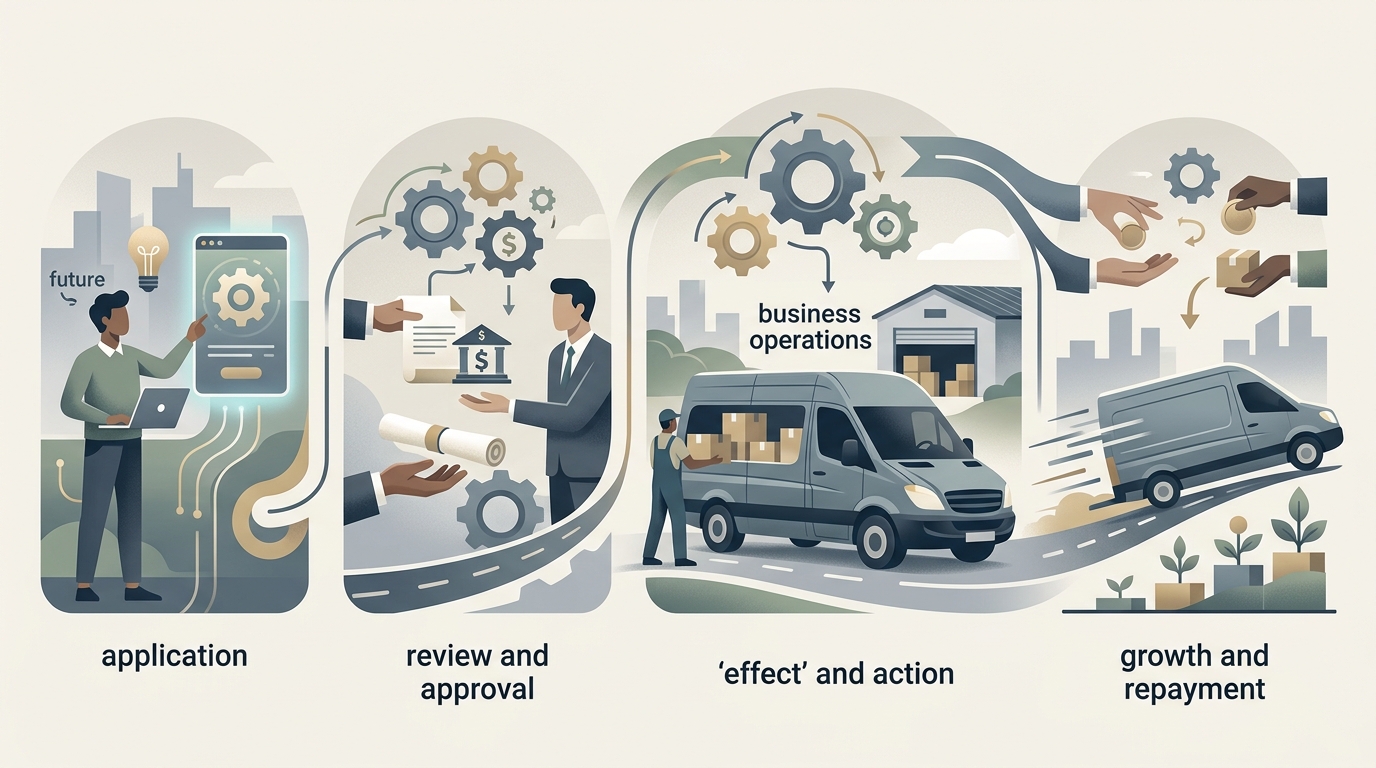
These mandates hit owner-operators and small delivery fleet owners the hardest. Independent contractors who rely on older, paid-off assets to keep overhead low are facing a double-edged sword: keep running aging equipment that may face rising maintenance costs or restrictive usage policies, or upgrade to a newer vehicle and face significantly higher monthly debt service payments. There is no middle ground when compliance is mandatory.
Why this matters for your bottom line
For the small business owner, this is not just an abstract regulatory update—it is a direct hit to your cost-per-mile calculations. If your financing requirements have jumped by 15-20%, your monthly overhead is guaranteed to increase if you are replacing or expanding your fleet. This necessitates a sharper focus on your cash flow forecasting; if you haven't adjusted your rates to clients to account for higher asset costs, your margins are likely eroding.
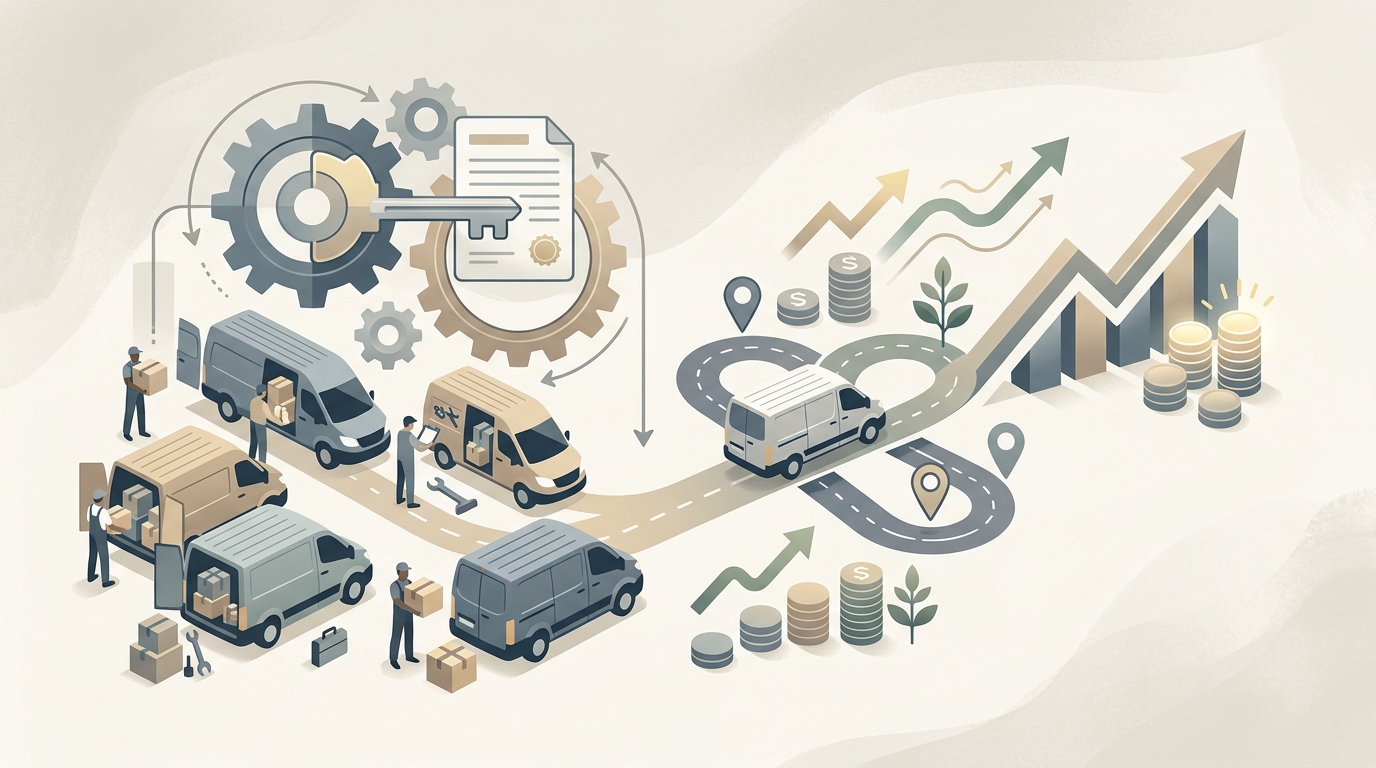
Qualification is also tightening. As the total loan amount requested increases due to higher vehicle prices, lenders are scrutinizing debt-to-income ratios and credit profiles more closely. To secure the best rates in this new environment, you must demonstrate a stronger balance sheet. Be prepared to provide more robust documentation of your recurring revenue and business stability, as lenders look to mitigate the risk associated with these larger loan sizes.
Bottom line
Rising emissions standards are driving up the sticker price of commercial vans, with financing needs climbing by as much as 20%. To survive the transition, you must prioritize credit health and reassess your operational costs to ensure your business can absorb higher monthly payments.
[Click here to check current cargo van financing rates and see if you qualify.]
Disclosures
This content is for educational purposes only and is not financial advice. cargovanfinancing.com may receive compensation from partner lenders, which may influence which products are featured. Rates, terms, and availability vary by lender and applicant qualifications.
What business owners say
4.9-
This company was lightning fast and the experience was amazing. Thank you, Dan — you're a real pro!
-
Good service Joseph Krajewski is the best agent ever. He provided excellent service. I strongly recommend working with him if you have the opportunity.
-
They gave me a chance when nobody else would. I'm very satisfied.
Frequently asked questions
Do these new emissions standards apply to all cargo vans?
The EPA's updated greenhouse gas standards specifically target heavy-duty vehicles, which impacts larger commercial cargo vans. Always check if your specific GVWR (Gross Vehicle Weight Rating) falls under these new mandates.
Why are financing requirements jumping by 15-20%?
Because newer, compliant vehicles come equipped with advanced emissions-control technology, their purchase price is higher. Lenders are adjusting financing requirements to account for these increased asset values and the technology needed to stay compliant.
How can I prepare my business for these rising costs?
Focus on improving your credit profile and documenting consistent revenue now. As asset costs rise, lenders are becoming more selective about the borrower's ability to cover the increased monthly payments.
- Cargo Van Financing 2026: How to Get Approved and Secure the Best Rates (30/09/2026)
- Cargo Van Financing Model Guide: Picking the Right Loan Structure for 2026 (30/09/2026)
- How to Read and Understand Your Cargo Van Financing Document (13/09/2026)
- Mastering Cargo Van Financing: How an MCP Can Secure the Best Deal in 2026 (07/09/2026)
- Log Viewer for Cargo Van Financing: Track Your Loan Application Step‑by‑Step (04/09/2026)
- The Cargo Van Financing Dashboard: Track, Manage & Optimize Your Fleet Loans in 2026 (04/09/2026)
- How to Secure AWS Credentials for Your Cargo Van Fleet Management in 2026 (04/09/2026)
- How to Handle Lender Requests During Your Cargo Van Financing Application (12/08/2026)